Could you talk about aspects of Indian culture?
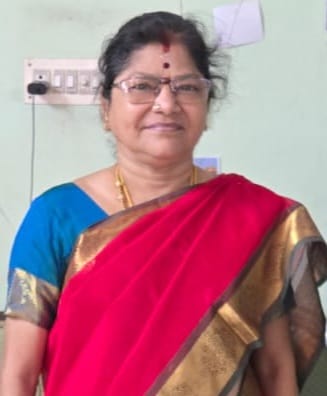
Indian Culture is based on shastrangal. It has been with Indians before the fields of science and technology. It comes from the Vedic heritage. The Saptha Swaras have come to us starting from the Vedas. There are 4 vedas – Rig, Yajur, Sama and Atharvana. I hail from a Yajur Veda family. In the olden days, the rishis followed the Hindu culture. Indians are now taking this culture to the whole world. Attracted by the Vedic Heritage of India, many foriegn People from different countries come and settle in India and follow Indian culture.
Could you talk about aspects of Vedic culture?
Our Madi, acharam, following our religeous rites, all came to us from the Vedas. You need to realise the Atman. Yogic protocols have to be followed to realise the Atman. The Self is to be realised. The Atman or the Self is to be realised through the Vedas.
Siva, Vishnu and Brahma are the three aspects of the universal consciousness.
Sivan has no mother or father. He creates the world for people to do well in it. Vedic knowledge has to be followed.
The creation is done by Brahman (Padaithal)
The preservation is done by Narayana, just to repeat his name is to preserve ( kathal)
The transformation is done by Sivan (azhithal)
Could you talk about Atman or Vedanta?
Atman is inside us. Atman is equal to life. The body perishes but the Atman does not perish. The Atman is in reality Paramatman only.
The three gunas are
Sattva – Doing everything positively
Rajas – Opposite of tamas, doing everything at lightning speed.
Tamas – Sleeping, non awareness of time, lethargic activity
Could you talk about Indian shastragal?
It is important to teach slokangal. The Thirukural has many verses that teach dharma. Wearing vibhuti, telling slokas, getting up before sunrise which is Brahmamuhurtam and sanctified time, lighting oil lamps, are some shastrangal that make life prosperous.
In the Geeta, Krishna is in human form. He accepts all and befriends all – cows, gopis etc. He shows how to live. Avaiyar in Athichudi discusses dharma for all to understand. All this is satsang – Bal Vikas, slokamgal, Vedas to be taught to children.
Karakre vasate Lakshmi
Kara madhye Saraswathi
Kara mooletu Govinda
Parabhate kara darshanam
Our culture talks about how Jeevatman and Paramatman are same.
Tat tvam Asi and Aham Bhramasmi in the Vedanta mean that ‘I am God myself’ but not in egoistic manner. We need to look within ourselves to find Atman.
Could you talk about the philosophy of Bhakti?
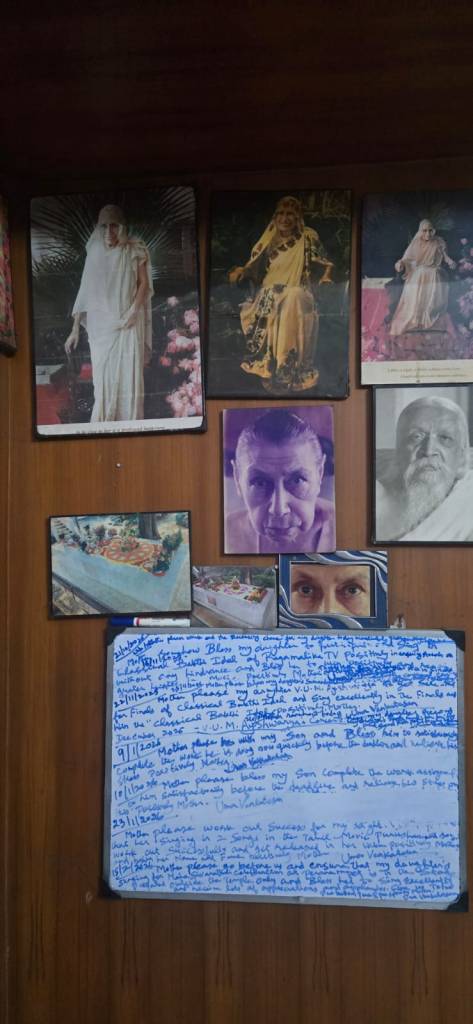
We all want to do something. We do take help from someone else. Through Bhakti and dhyan you take help from God. We call God is the various names. We say Muruga with affection. Bhakti is shakti and an opening into the supramental.
What is Sri Vidya?
Ambhal is respected in this marg. Bhakti is moola marga to realise the Supreme Power, the God. SriVidya is the path of Ambhal. When we progress in Srividya we get Tejas. There are many levels in Sri Vidya Upasana. We extol Ambha in this pathway as Jadadamba.
Could you talk about Sthree Dharma?
The woman is expected to be philosophical guide of the household. Shakti was given to women only. Women can use both left and right brains
 Story Practices
Leave a comment