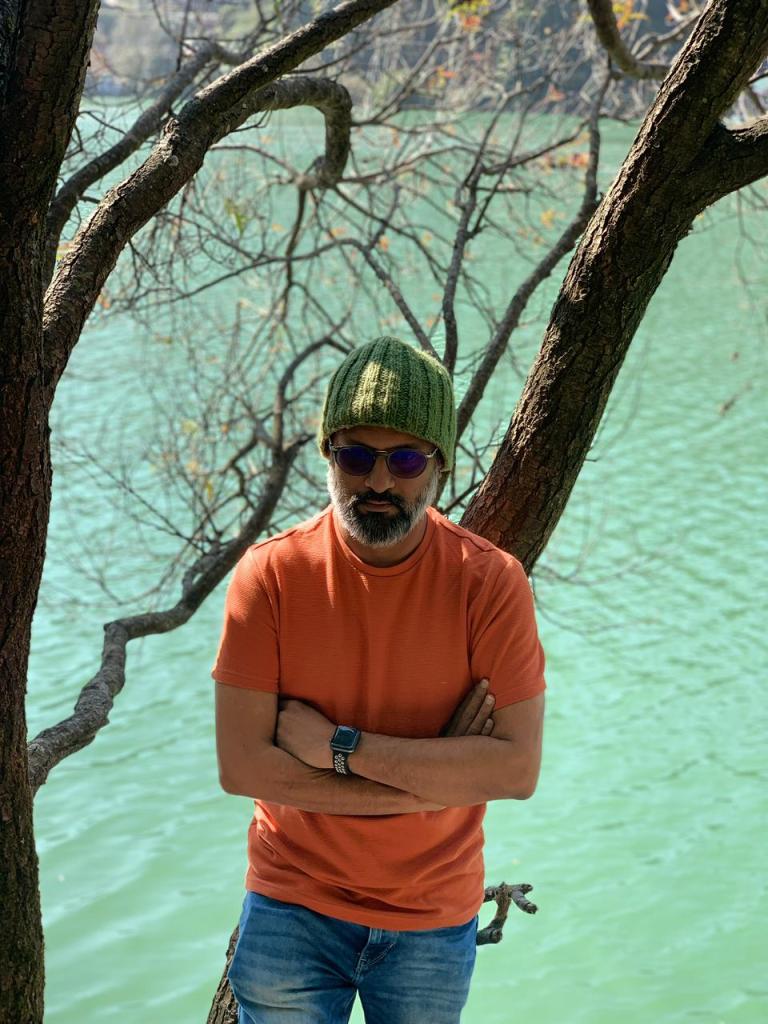
Could you talk about postmodernism and the theory behind your book?
The books are not very postmodern to start with. But they do become more and more postmodern as we progress. In college, I teach postmodernism. But I don’t just teach postmodernism I live postmodernism, I follow postmodernism. I am situated within the postmodern praxis. It is a part of my life.
There was a deep urge to talk about ecology. There was not much that they were real books, they were stepping stones. There was this innate urge – I needed to explain how the ghariyal remained in my memory. I wanted to talk about the ghariyal and how it was going extinct. The idea was to communicate all this to children between 5-10.
One can examine these books in the context of eco theory.
Could you talk about children’s books in the ecology space?
When it comes to children’s books in the ecology space. I had read Kaziranga Trail by Shankar. This was Shankar from Children’s Book Trust. I read this in the fifth standard. It initiated me into the Indian Rhinosaurous which was being hunted for its horn. His book featured a Rhino which was being poached. That’s how I as a child got to understand how Rhinos are being hunted for their horns. I understood how animals are being cruelly killed for the material profits. I read the book 100 times, it was my go to book. It was a phenomenal book. I also read Swami and friends at that time which was written for adults but about children.
Then also read Tinkle, Amar Chitra Katha, I had met Uncle Pai also. It helped me balance away my identity as an Indian. Then there was Enid Blyton, Hardy Boys etc. I think detective fiction is needed for young adults. If we had equivalents of Three Investigators and Hardy Boys. There are a few Indian detective stories for children. There could be more focus on this area for rural and semi urban adventure.
Could you talk about the importance of reading encyclopaedias on ecology?
When I was young, one of my father’s friends Mr. Ramachandran, was collecting encyclopaedias for his unborn children. I got to read these books through his lending them to me. There were a lot of How and Why and other encyclopaedias. In these there was an animal encyclopaedia, with A to Z to animals featured. It would start with Aardvark and end with Zebra. I can recollect the names of the animals.
Also, Doordarshan had wildlife series. It was a series purchased from BBC by David Attenborough. Animals fascinated me. There were older ways of understanding nature such by Jim Corbett that were slightly problematic. There are certain things in Jim Corbett that needed questioning, such as when he was on a maneater hunter he would start by killing a King Cobra for good luck. The culture of hunting in the colonial times in gave rise to the English idiom “Big Game”. This idiom itself says a lot. There was no big game in UK so they would hunt foxes and then come to India to hunt the Big Game, as would the Maharajas.
Could you talk about the illustrations?
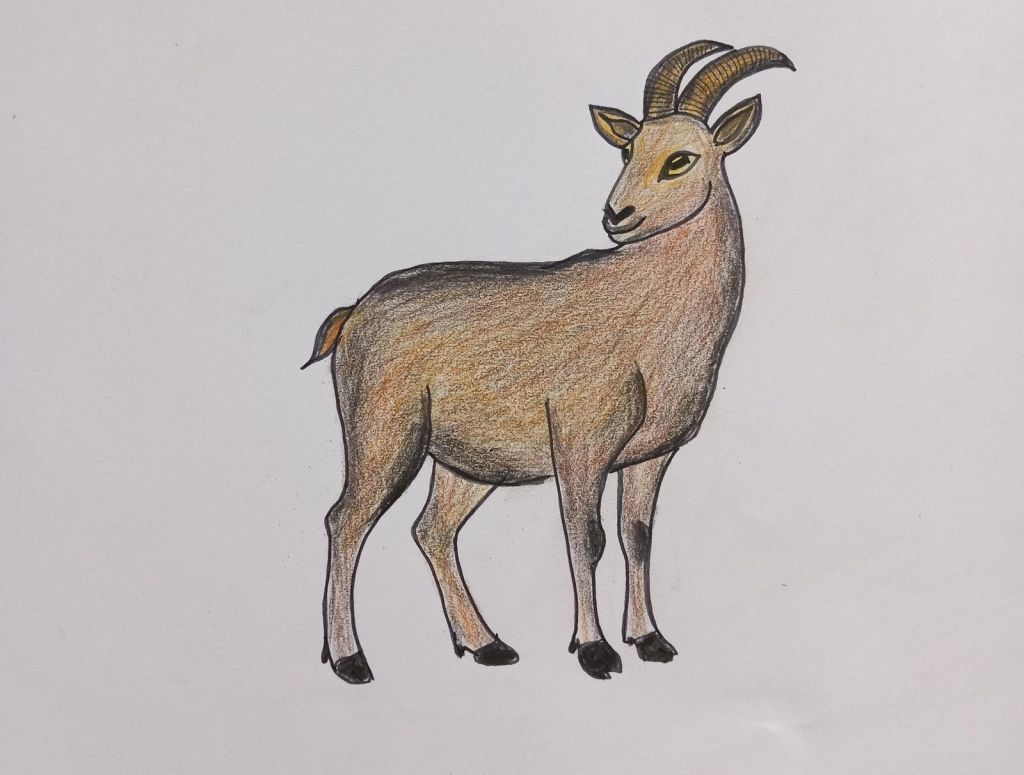
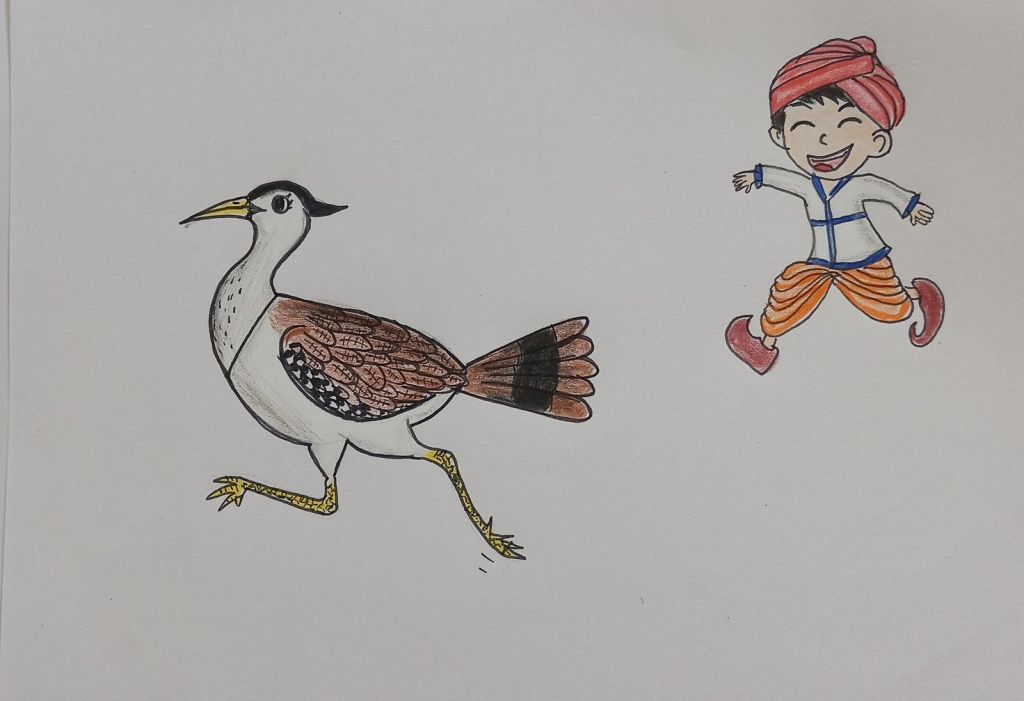
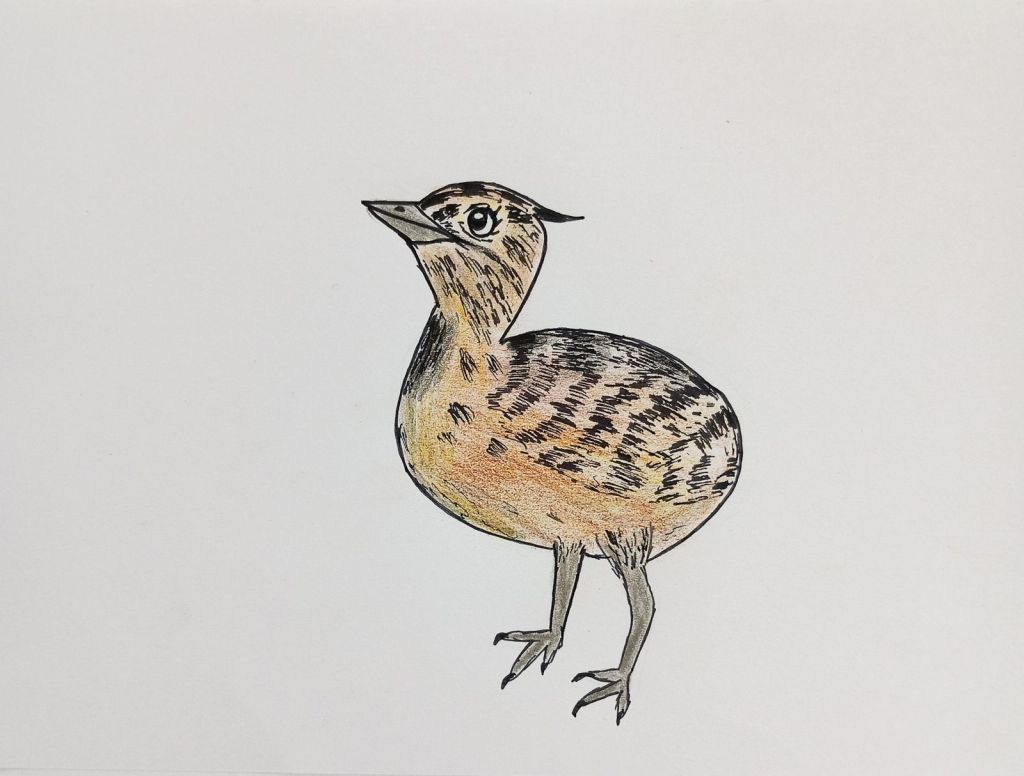
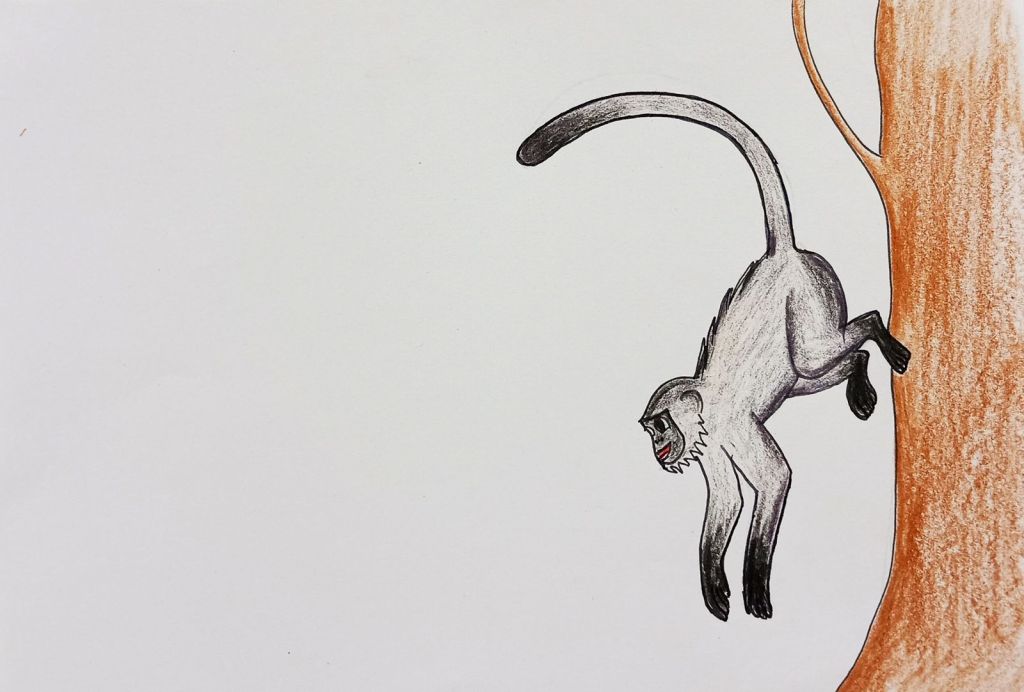


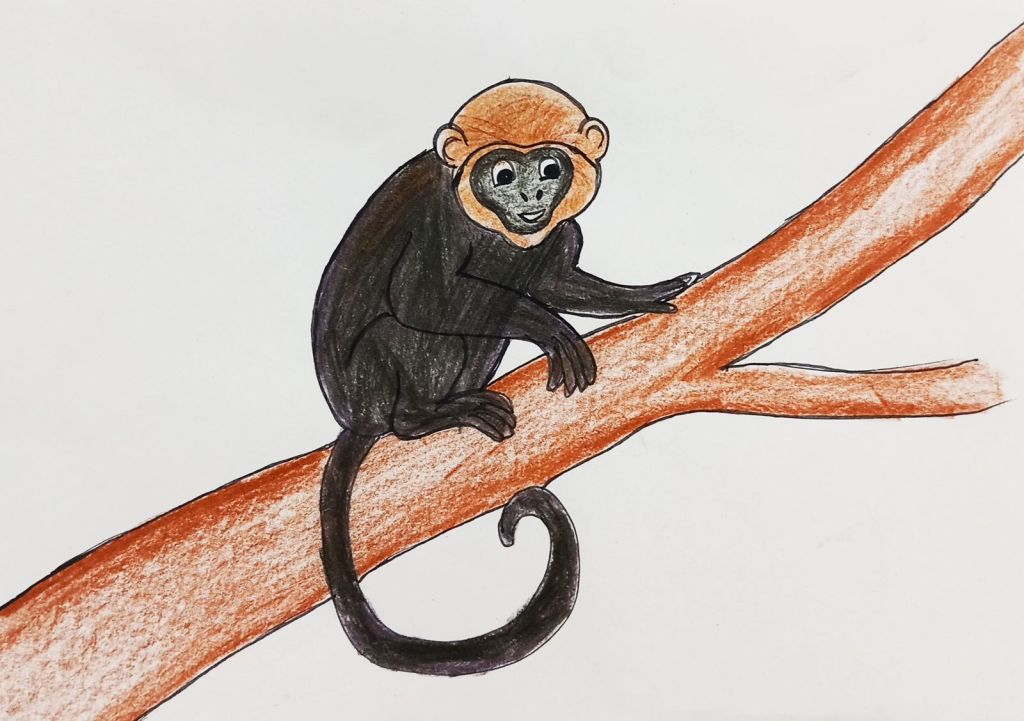
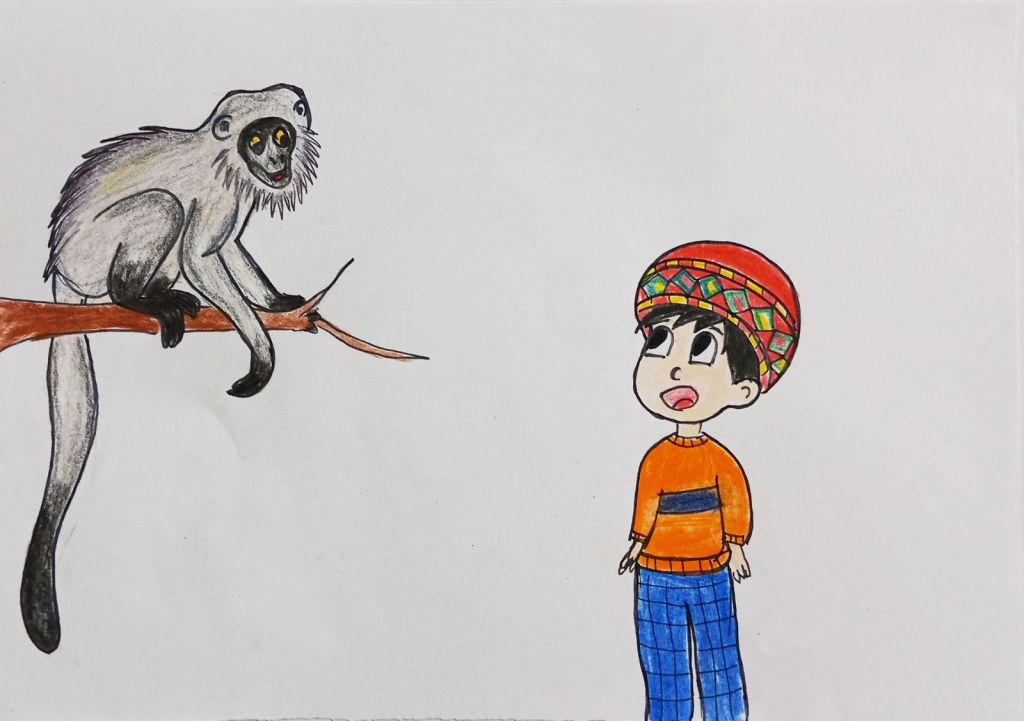
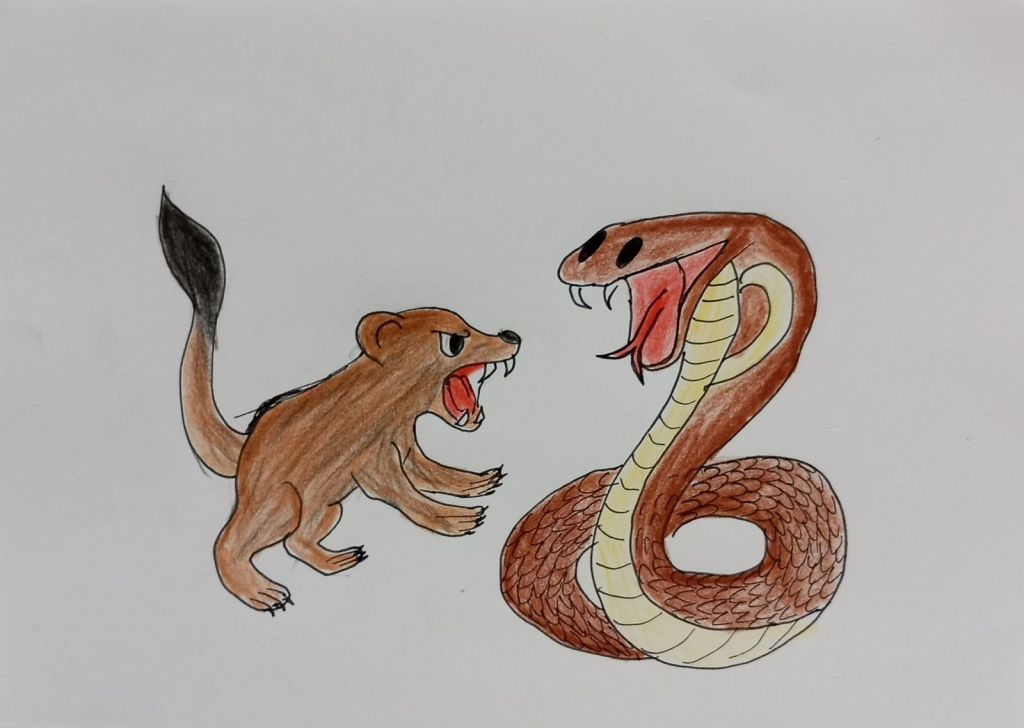
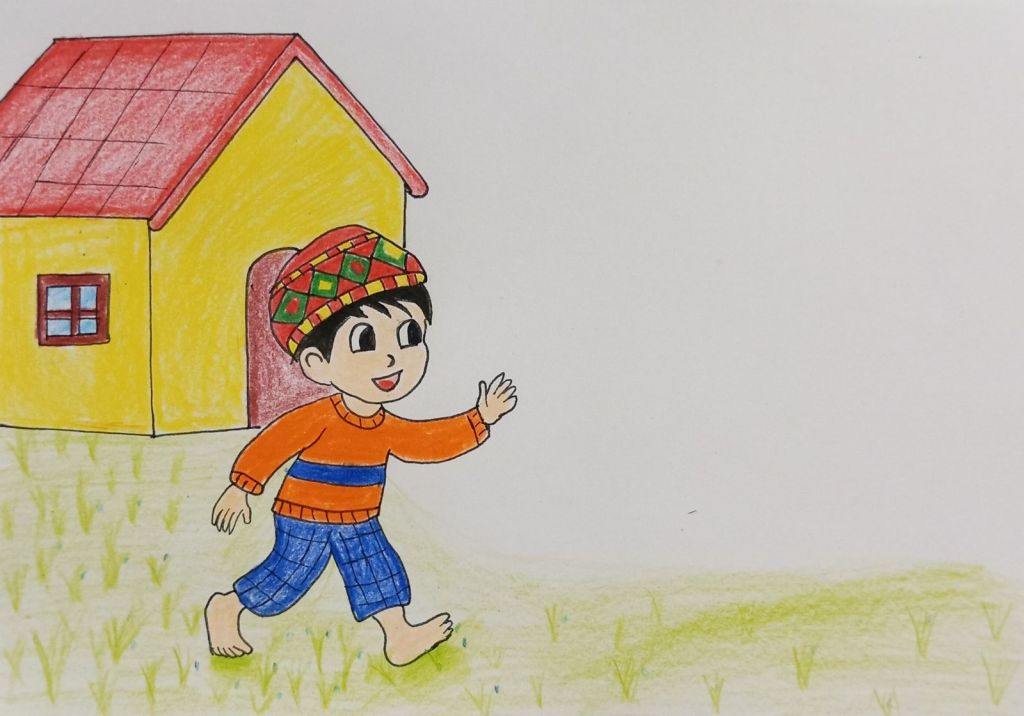
We went to Vellar College and had no idea we would meet two women who were interested in drawing and illustrating for us. We were thinking of doing the Prakriti series and needed illustrators. Samyuktha turned out some wonderful apt illustrations and we are very happy to work with her. The art work has been amazing and we had some idea with the Ghariyal book. We are really happy to have her on board. The art is really good.
Was there someone who enabled this book series?
I really have to thank Rtn. AKS Dr. K Srinivasan who is a philanthropist who funded 10 books.
 Story Practices
Leave a comment