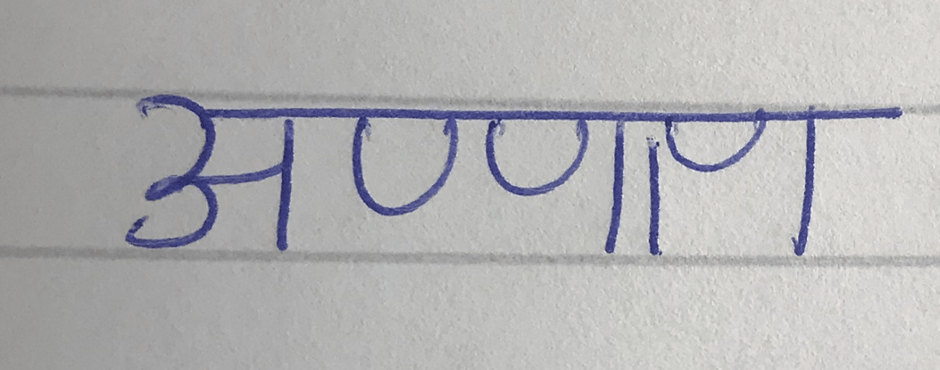
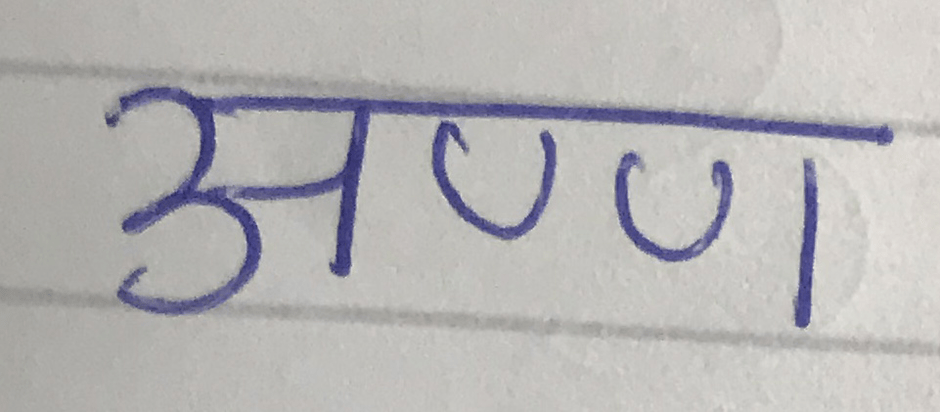
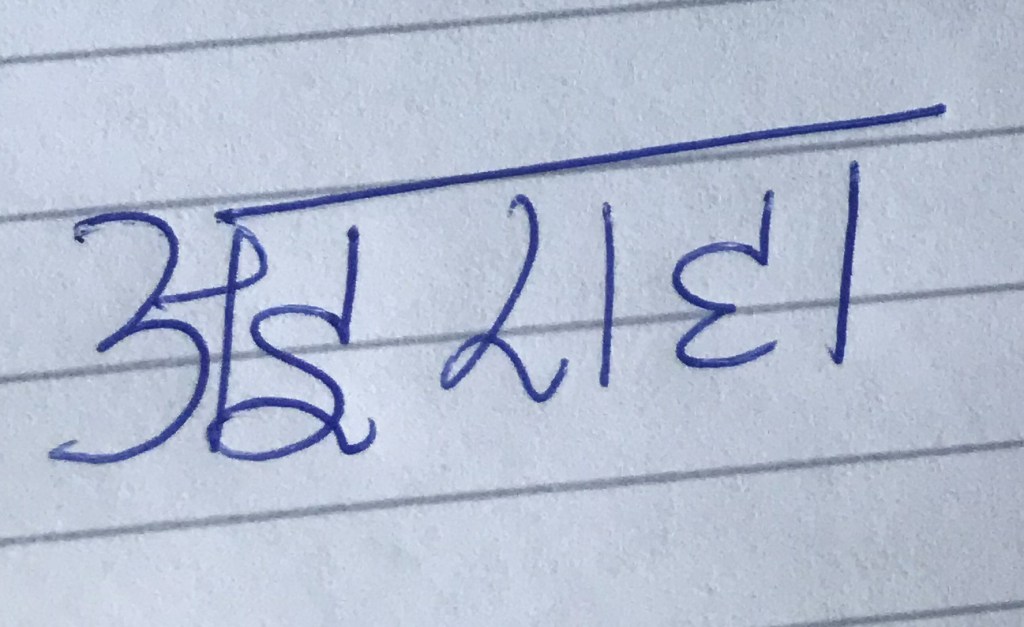
The word Annana in Prakrit stands for both Ignorance or false knowledge and dowry.
The word Anna means water or the life giving jal. Perhaps what annana denotes is an absence of the lifegiving water which is annana – both the act of giving dowry and the act of holding on to false knowledge or ignorance. If we don’t study Prakrit how can we ever understand what secrets the Indic was holding dear in its words and languages?
To learn Prakrit one needs a grounding in both Devnagari script which can be understood as Hindi as well as in basic Indic concepts. An example of how basic Indic concepts can help grasp the Prakritis better is below.
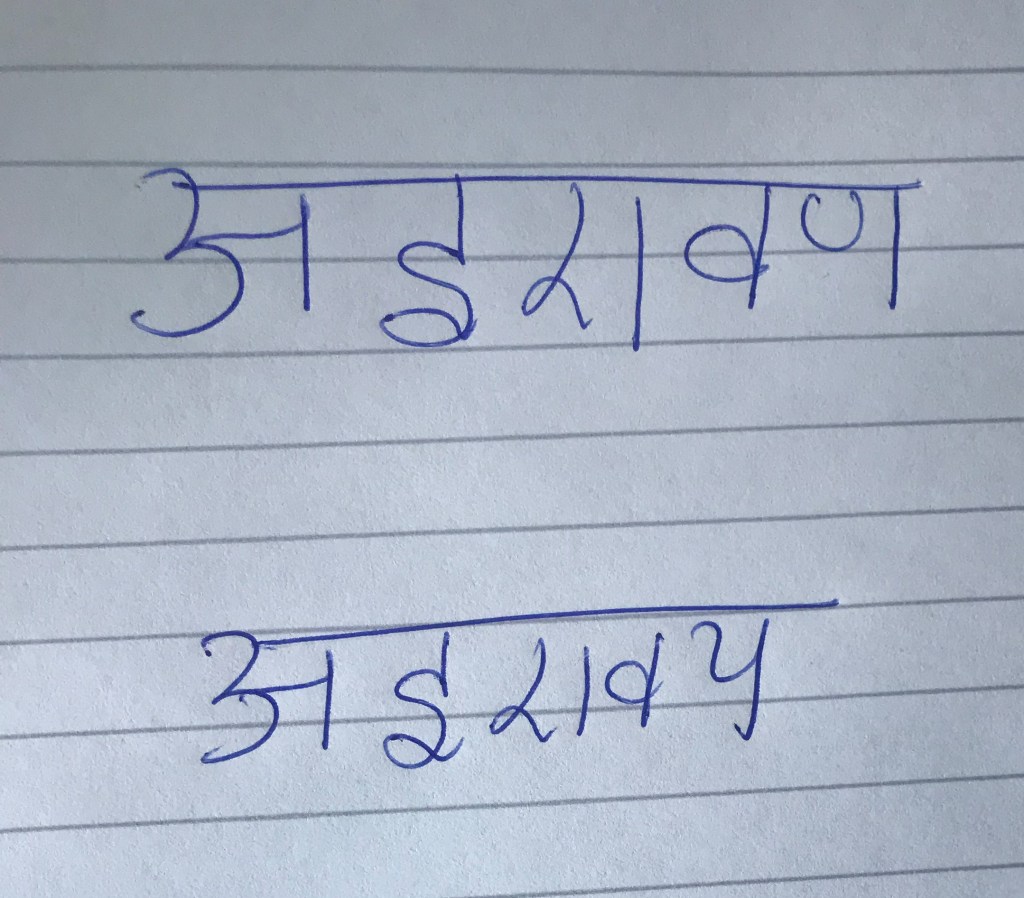
The elephant of Indra in the Prakrits is called Airavan or Airavaya similar to the Airavata of Sanskrit.
However, the word for lightning in Prakrit is Aairaha and due to this the proximity of lightning (Aairaha) which is the weapon of Indra to Airavan and Airavaya, the elephant of Indra, can only be understood through the means of Prakrit.
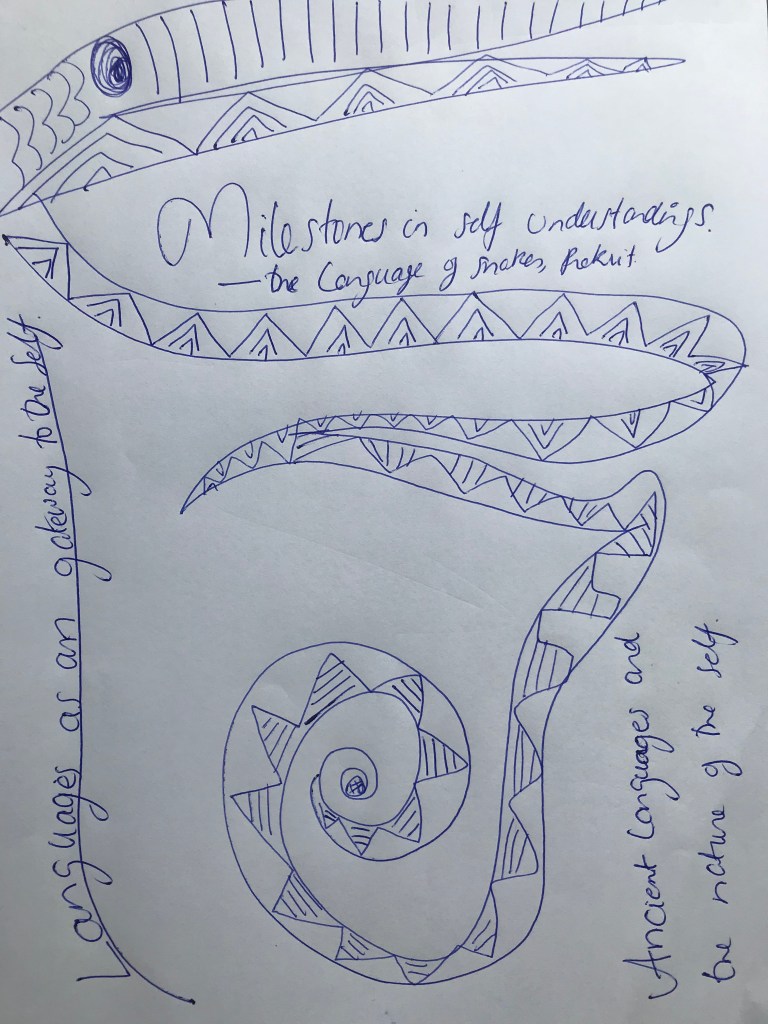
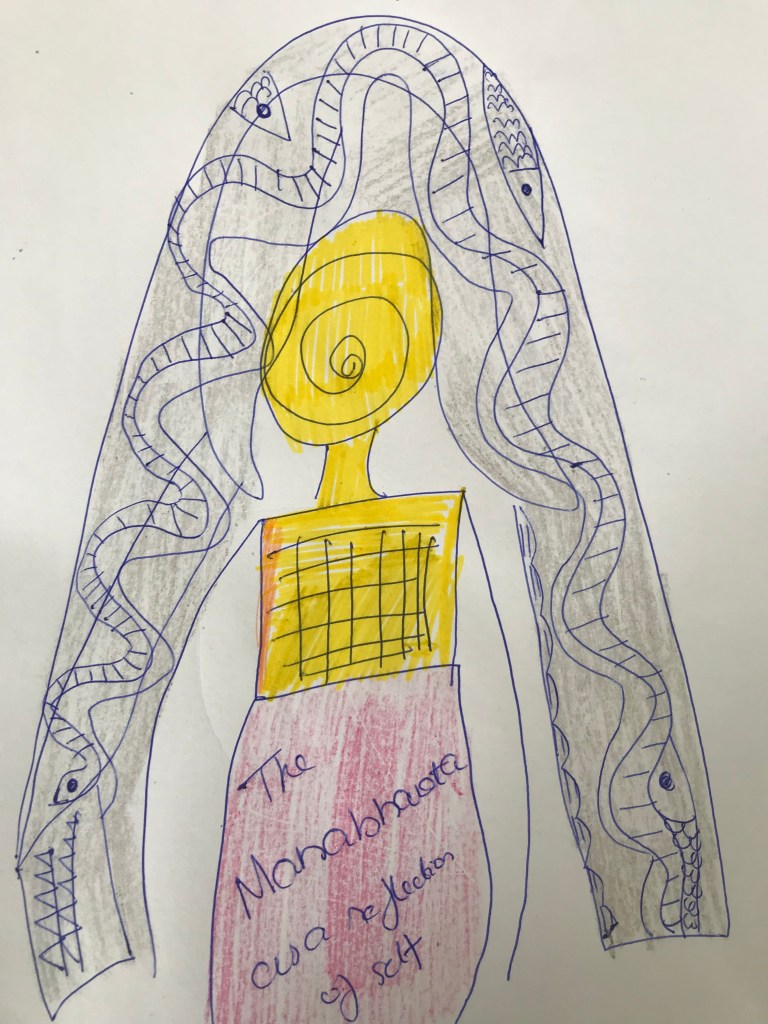
Prakrit is a language of snakes. People can infer from this that it is the Kundalini language. The language is called Maharastri. It developed with the Satavahana dynasty and spread to be used in the length and breath of Bharath. Prakrit was spoken in Sanskrit plays by women and those who did not get educated in Sanskrit. Prakrit has been the language of inscriptions.
The world of stories and narratives and even the world of artistic rasa consists of a reverence for the adbhut, for the wonderful. This rasa can be found in learning the languages of the snakes or Prakrit.
Origin of languages and the evolution of the human
Human evolution henges upon the origin of various languages in every culture – these languages can be both fixed and fluid. Fluid languages like Prakrit were said to be of the realm of the underworld or Patal Bani.
World of wisdom
How do we make sense of our changing and evolving universes. It is the vocabulary of the snakes – or Prakrit which may hold the key to this mystery. Sanskrit is known as the language of the gods – Devbani and vernacular languages of course are lokvani or language of the people. The languages of snakes must be important to a country given to reverence for snakes as symbols of immortality – this is was the Prakrit language.
The history of Indian storytelling and the great Indian quest for moksham starts with an unbroken tradition of worshipping the Great Goddess, the Mother Goddess and Shakti or the Goddess as the serpent power in the spine of the yogini or yogi.
In India, storytelling rose with many tales serving the gods of Moksha or Nirvana. In India, since time memorable people sought Nirvana from mundane existence (samsara sagara) from the varied paths, texts and traditions available for them.
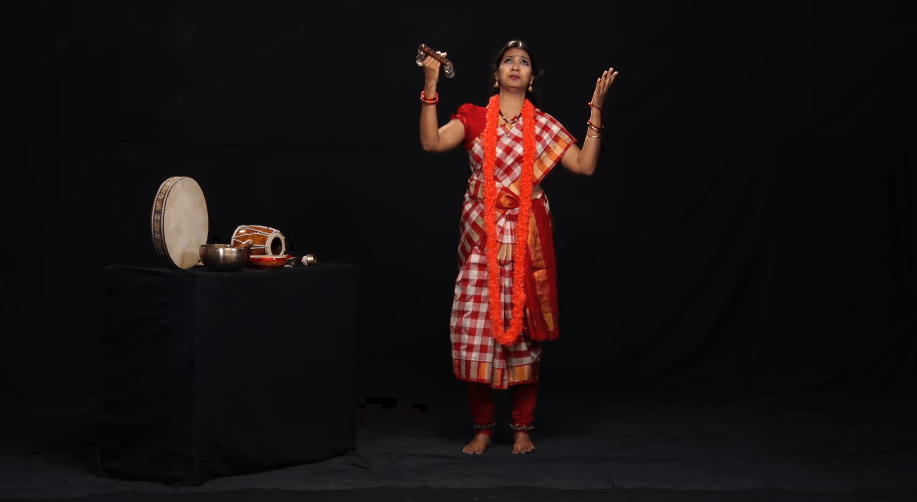
Watching Deepa Kiran perform once is an enlightening experience. But to watch her perform the same story twice is a process of renewal and revival. I first watched Ramayana in a folktale by Deepa Kiran, renowned international storyteller and storytelling teacher, whose style is so genuine and embellished with rare understanding and insights into Indic thought, during the Indica Storytelling Conference in December 2022. The second performance was her rendition of the “Ramayana in a folktale” in her youtube channel which she maintains with care and affection for a vast audience who turn to it for inner nourishments. The performance which is a reflection of what is culture and why in a country where there is so much traditional art form many of us still miss out on the “essential culture of the Ramayana itself.” The story is a metaphor for how the Ramayana is central to the Indian cultural context and yet remains alien to many Indians who have chosen samsara over nirvana. Also, the story is a take on how the rasa experience of the traditional storyteller can be a hilarious process of confusion for the non convert to the cultural spaces of India.
 Story Practices