Could you talk about your community-based practices?
I started Lampshade Writers in 2020 November. It has been an ongoing project. When I was in the United States, I saw how people in informal settings, bookshops, libraries, you feel close to people. I looked for such outlets in India. I felt at home there in these writing groups in United States. I wanted to make other authors feel at home. We did many events, even online ones. We did sessions with the poetry of Gulzar and Khalil Gibran.
Could you talk about your social work?
I was always intrigued by community libraries. We have funded a community library in Uttar Pradesh. We would like to support them. We should not divide India into North India and South India.
They were a part of a library in Delhi. The library had a lot of people who were labourers and farmers. It is called the Bansa Community Library. We supported with donating books. Since 2023, we began funding the Librarian’s salary.
People are trying to be in touch with themselves. Every year we do a Summer Event with Bansa Community Library. This year we are doing it for the women there.
Could you talk about your initiative Pages?
I started Pages – Journaling with intent. It is based on the book Artists Way by Julia Camron. I read the book a few times and started seeing things in a different light. I wanted to share this with people. I started Pages – self journaling as a group. We have a community and we work on our different pages.
Could you talk about some of the books you published?
We did an anthology called Celebrating India when people emerged ready to write stories about India. We did another anthology called Celebrating India, where we celebrated LGBT love. We did another anthology called Celebrating India – where we did stories of visually impaired people. There were a few noted writers. I expanded the whole thought and we did events around the books. We did feature so many people who are doing so much good to society. There was a guy who believed in Andari Illu – Everyone’s home – he would invite everyone to his home. There are many people like this. We did over a few days events with Story Arts Foundation and Deepa Kiran. We published and launched her book – The Royal Mistake. Along with this we brought out a children’s anthology – The better world. As a publisher, we did events and published anthologies.
Could you talk about your experiences as a publisher?
It is amazing how people come out and create books. Gita Iyengar wrote poetry and kept it in a drawer at home. After she died, they found a drawer full of poetry written by her. Cheryl Rao Ma’am , children’s writer reached out. After a year or so, we brought a book out. I was very heartened by such a gesture. It was a tale of friendship. In poetry, you get that emotional aspect. The emotional health in poetry. There is so much more.
I have done my engineering, like a lot of people from the South, in 2008. During engineering I started writing poetry. Education is good for structured growth. What we are thinking about inside gets reflected through poetry. I was volunteering with an NGO. It opened a lot of areas not thought of in regular life. It had opened up a different domain. I wouldn’t have written poetry as such. I would not write so much. This experience of working with an NGO teaches us should do things we love. I changed my postgraduation subject with a diploma in Mass Communication from Bharatiya Vidya Bhavan. I was a part of an Orkut group called Ah poetry. There was a lot of mentoring. I thought, ‘Why not bring a book of all the people I met in this poetry group.’ I set up a small press called Nivasini Publishers, where we will publish poetry. And we did a lot of events around these books. I was working with an NGO in those days. Whatever we would earn from the small press books I would invest into the same. Then, I moved to the US. In the US, I could see how groups of poets supported each other. I joined groups of amateur writers. I helped create a lot of communities of poets – lot of people helped in doing this. It is not easy to promote poetry books. I also started volunteering for YK Antiques Museum. We did a lot of events. Now, I am a core member – curate community lead events for them.
Why did you think of the name Nivasini for your publishing house?
My father’s name is Srinivas. My mother’s name is Subhashini. My name is Nivedita. I was looking for a name where we could all dwell together.
How long did you run Nivasini Publishers?
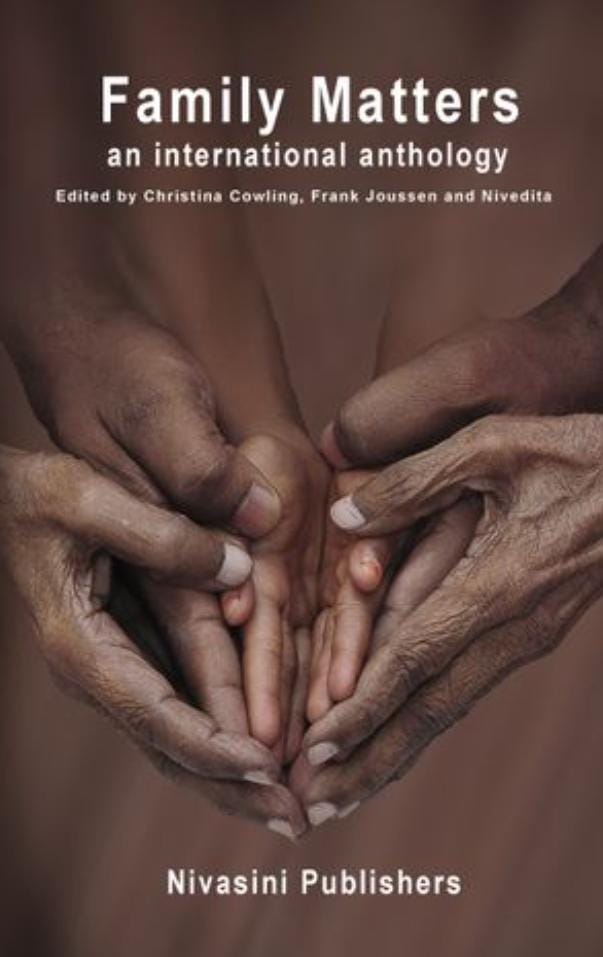
2010 – 2017. I wrote poetry and could not find a publisher. I am solutions oriented if things are not working. I have published books, typeset books, and edited books. I first published physical books with an offset printer – 500 books. We launched the books in Saptaparni in Hyderabad, a cultural center. The first book was called Ah poetry. It was poems from the Ah poetry group and there were 55 poets in total. I had freelanced for The Hindu. I learnt typesetting at Thomson Reuters. I realised we can’t stand out unless we do something different. My co-editors and I started putting together close to 10 anthologies. Family Matters also had short stories.
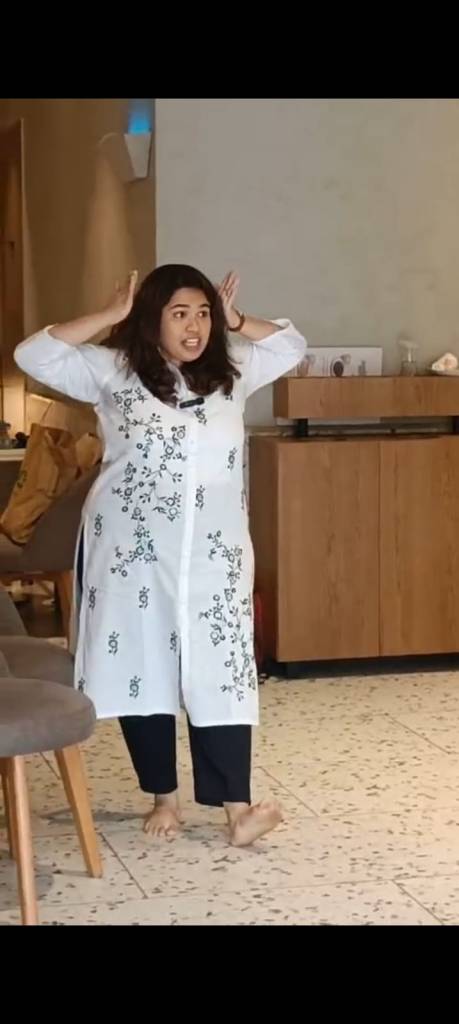
I use voice, expressions, hand gestures, body language. I have been introduced to puppets and music. I am good with voice modulation and voice projection. I depend on voice a lot. I am learning puppetry and have an ear for music. I did a performance at a Deaf and Mute schools – I used a combination of hand gestures and props of the characters. The children did their own sessions based on my telling. I am comfortable with voice, body, language and using props as visual aids.
Could you talk about the storytelling you have done?
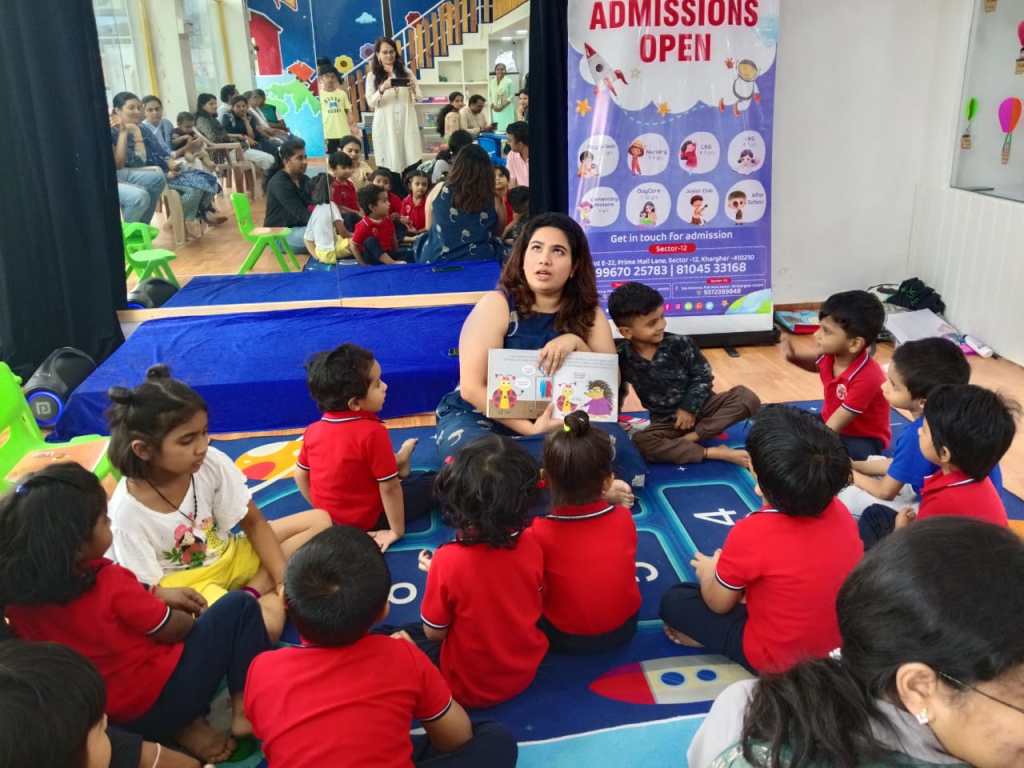
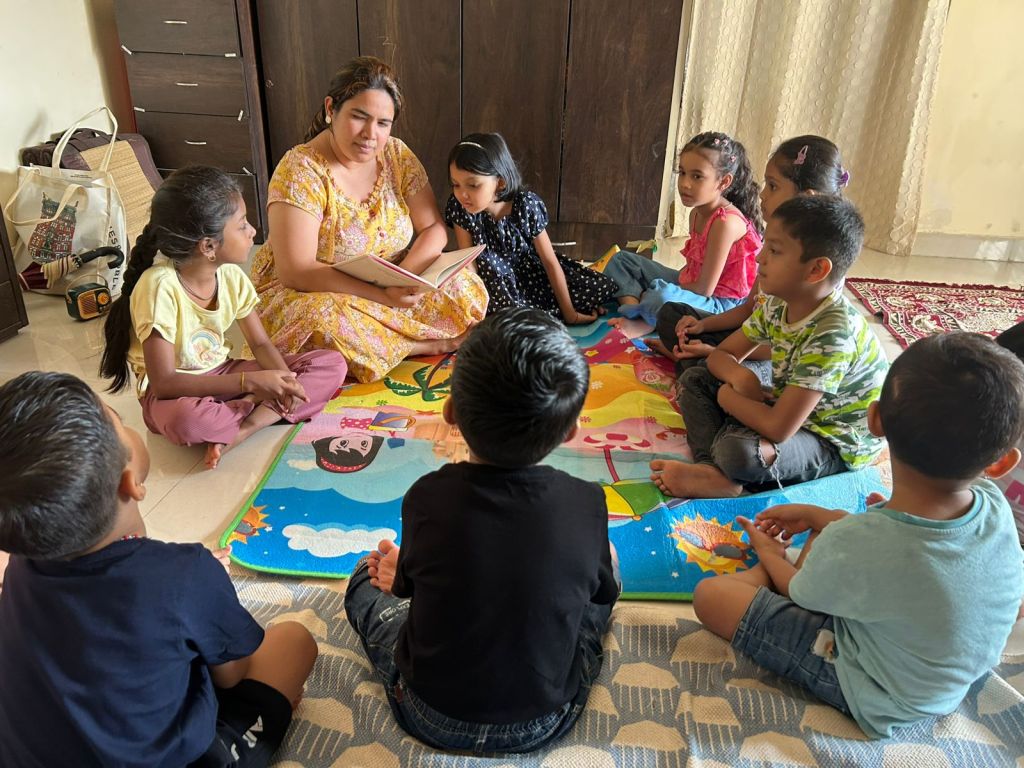
So, far have done children’s events. I am associated with the Tata Cancer hospital – St. Jude’s Childcare Centre in Kharghar, Navi Mumbai where I tell stories to children. I have been telling stories in NGOs. I do work for NGOs. I did a session for an NGO home in Bandra. I had to do a children’s session for a train the trainer course I was attending. The children were in the 10-15 age group. I met the Founder of Kala Katha Kalakar who is associated with multiple schools and are reviving folkart and traditional culture and I did storytelling for them. I have been called for many storytelling sessions. I was a judge at a storytelling session where I was invited by Rotary Club.
Could you talk about storytelling as a career?
I was in a career path I was very sure of. I never thought I would quit my job. Storytelling was calling me. I was feeling so restless. I realised that my time was valuable and could be used a better manner elsewhere. I had not anticipated this calling. I had met such wonderful people as a consequence of storytelling. Geeta Maam – it is a pleasure to be in her presence. It feels like a gift to be able to see her in person. I get a lot of inspiration from her. She encourages us to be who we can be. She energises us to do the best we can be. I am very changed person in 2025 from what I was in 2024. I have met so many incredible people so far. I am really grateful to be a part of this storytelling journey.
I would describe my career journey as pre storytelling and post storytelling. In my pre storytelling career, I had 15 years of corporate career with 10 years in Colgate Palmolive as a social media analyst. It was a bright start with Colgate Palmolive and I have no complaints from this beginning.
The during storytelling period – I realised even in my previous job – I love helping people in how they can present themselves better. People are often very technically savvy but they could not articulate themselves. I found myself in a situation when I was always helping someone or the other. In 2023, I had a sudden wish I wanted to do something else. I made a list of everything I could do. I had written 5 children’s books. I was always good with children and would tell them stories. I did not know storytelling as a profession existed. My home and my job had been the two things that had been my path. I realised storytelling was something I was interested in doing.
In July 2025, I started my journey as a storytelling performer. I was at the Goa Literature Festival I met Vanessa who is a puppeteer – she introduced me to Kathalaya. We got to discussing storytelling and I told her I want to do some certification in the area. Vanessa said, “Geeta Ma’am takes this.”
In April 2025, I did the Kathalaya beginner’s course. In July, I went to Tiruvannamalai for the anthardhavani course. Then I did the diploma course. This year, I associated with Kathalaya three times. I have been recently introduced to storytelling. I have been doing children’s storytelling, events, storytelling for NGOs and schools. So far, my audience has been children. I do intend to explore storytelling for adults, storytelling for mental health etc.
Could you talk about Storytelling as a career?
What I realised was that I have always been telling stories – only thing was I did not make a career out of it till recently. I got used to telling stories to my kid. Everyday, I would tell her a new story. I could have made a collection from these stories. I find telling stories to children delightful. Children have this sense of wonder that I am really impressed with – i can’t think in this way. Through storytelling you see things better. I want to make a difference in the world of children.
Could you talk about how being a people’s person helped in the art of storytelling?
I have always loved being surrounded by people. I love to be with people. It gives me joy if I bring a story into someone’s life. I am sure it will help them some day if not immediately. I can remember my lessons better if someone told them to me in a story format.
Could you talk about your storytelling training at Kathalaya?
I have seen people telling me I am a changed person in a few months – I have more clarity, using silence. I couldn’t see anything will happen unless I speak up – only of I speak things will change. Antardhvani introduced me to silence. I did not understand silence as a practice till this happened. I believed in speech only. The course made me look within myself. It taught me to identify what troubles me, what triggers. When think about two people talking to each other. It’s like they are looking at a mirror, and you are looking at a mirror. How you communicate depends on how clean your own mirror is. My mirror was made murky by a lot of opinions, everyone has biases, I was set in a certain way of thinking. Taking storytelling as a career brought a lot of change in me.
In 2011, my cousin saw an Kathalaya advertisement in the Hindu newspaper. We wanted to enquire about and do the course. She was in Madurai and I was in Bangalore. I just dropped into the office and enquired about the team. It was nice meeting Geeta Maam. I did the first level beginners’ course with my cousin in 2011 January. It was a five day half day course.
I became a storyteller and started telling stories at a local school.
In 2011, my cousin came across a Kathalaya advertisement in The Hindu newspaper. We were both interested in learning more about their courses—she was in Madurai and I was in Bangalore. I decided to drop by the office to enquire, and that’s when I first met Geeta Ma’am. My cousin and I enrolled in the beginners’ course in January 2011. It was a five-day, half-day program.
After completing the course, I began storytelling at a local school. Although I enjoyed it and worked until 3 p.m. each day, I still had some inhibitions.
One day, Geeta Ma’am asked if I would be interested in working at Kathalaya. I thought it would be a good opportunity and decided to join initially for three days a week. Since 2012, I have been a permanent employee at Kathalaya, handling administration. Over the years, I have listened to countless stories—shared by students during their courses and narrated by Geeta Ma’am herself. Being fully involved in administration has helped me shape my career at Kathalaya.
My journey with Kathalaya began in 2011, and it continues to be a meaningful part of my life.
You started your association with Kathalaya in 2011. Since then, what are the changes you have seen in the field of storytelling?
In every field these days, you can see a huge change. In the initial years, Kathalaya was the main centre for storytelling and then there were not many people who could tell stories. Now every place be it Indranagar or Koramangala is developed in storytelling. There are many storytellers and storytelling centers are being opened regularly.
People used to come to Kathalaya to learn storytelling. But we also saw that online storytelling became very popular. Online storytelling and podcasts became very popular. There was a huge change in this sense is what we felt. Except during Covid, Kathalaya did not prefer the online model for teaching storytelling. Storytelling is an art that requires personal connection. While people ask for online classes, we ask them to come for our in-person workshops. We can see how storytelling careers revolve around what we experience with people. Hence offline storytelling classes are better.
Another change we have seen is that earlier teachers, homemakers would attend storytelling classes. Now people in all fields, entrepreneurs, media people, corporate employees – people from different background learn storytelling to apply in their fields.
How has working with Kathalaya, which founded storytelling in India and many parts of the world, developed you personally?
It’s not just a course. Each one would come with their own feelings, their own anecdotes, their own wisdom, their own stories. You need someone to listen to your stories. People like being listened to. Their stories being heard. They need a person to hear the stories. Storytelling plays a very important role in sharing what happened yesterday.
Could you talk about the key achievements of Kathalaya?
Kathalaya which was founded by Geeta Ma’am, has spread the art of storytelling nationally and globally. Storytelling has spread everywhere. We have been conducting storytelling festivals all over India and the world. We have been in the Limca book of records. We have taught storytelling India and abroad. We have impacted more than 5,00,000 children. Many children who grew up listening to Geeta’s stories have now grown up and affectionately call her Story Ma’am.
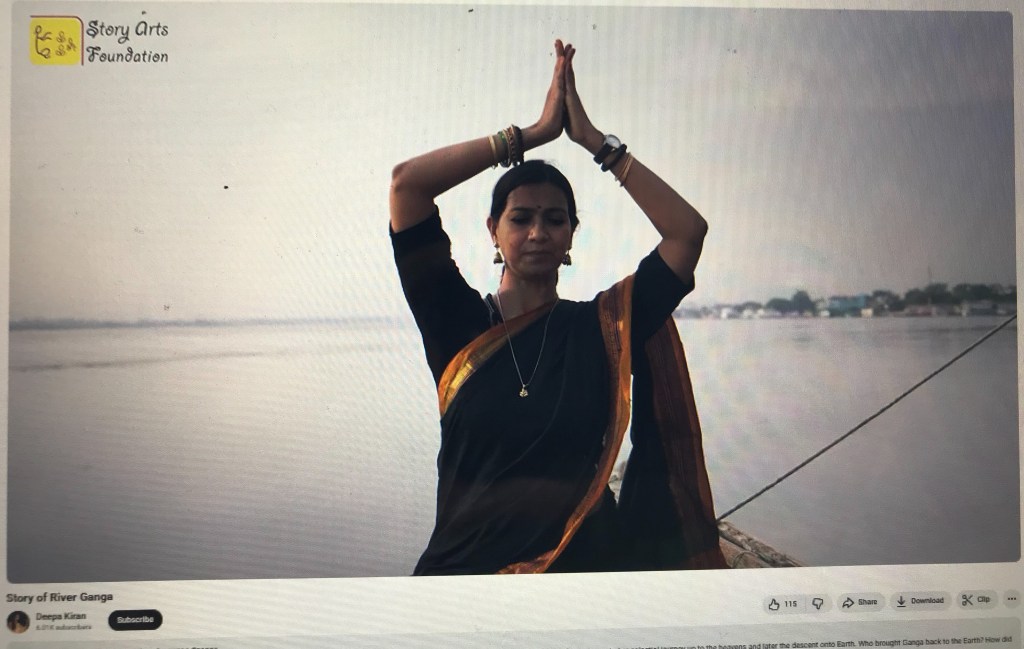
A myth or a sacred story holds much significance for a people and their culture. It is the lived belief system, a way of veneration. When a performing artist and international storyteller as proficient as Deepa Kiran performs the Ganges story – all one can do is stand up in applause. This story is performed on a boat in the Ganges in Varanasi. The boat sways gently in the river and Deepa Kiran seated in it tells us and the river the story of Ganga Devi. The power of Indic storytelling lies in the fact that the more we repeat our stories and the more we transmit them in a tradition approved method, the deeper we sink into yoga and a yogic experience of our culture. In Indian storytelling traditions it, the act of storytelling can be therapeutic for the audience where they attain salvation or Mukti through bhakti. Storytelling is one of the traditional forms of Bhakti yoga. This narration helps us the audience experience a Ganges like purification process, an attainment towards nirvana.
The story of Ganges as performed by Deepa Kiran offers a lens into the traditional Indian stories and storytelling. These traditional stories transport us back into the world of gods, rivers as goddesses and monumental crisis resolution through the tapas of yoga and determination. Told to the tune of the Shank, the sounds of the Ganges, Sanskrit Chants and traditional musical instruments, this is one compelling performance – Story of River Ganga
Could you talk about postmodernism and the theory behind your book?
The books are not very postmodern to start with. But they do become more and more postmodern as we progress. In college, I teach postmodernism. But I don’t just teach postmodernism I live postmodernism, I follow postmodernism. I am situated within the postmodern praxis. It is a part of my life.
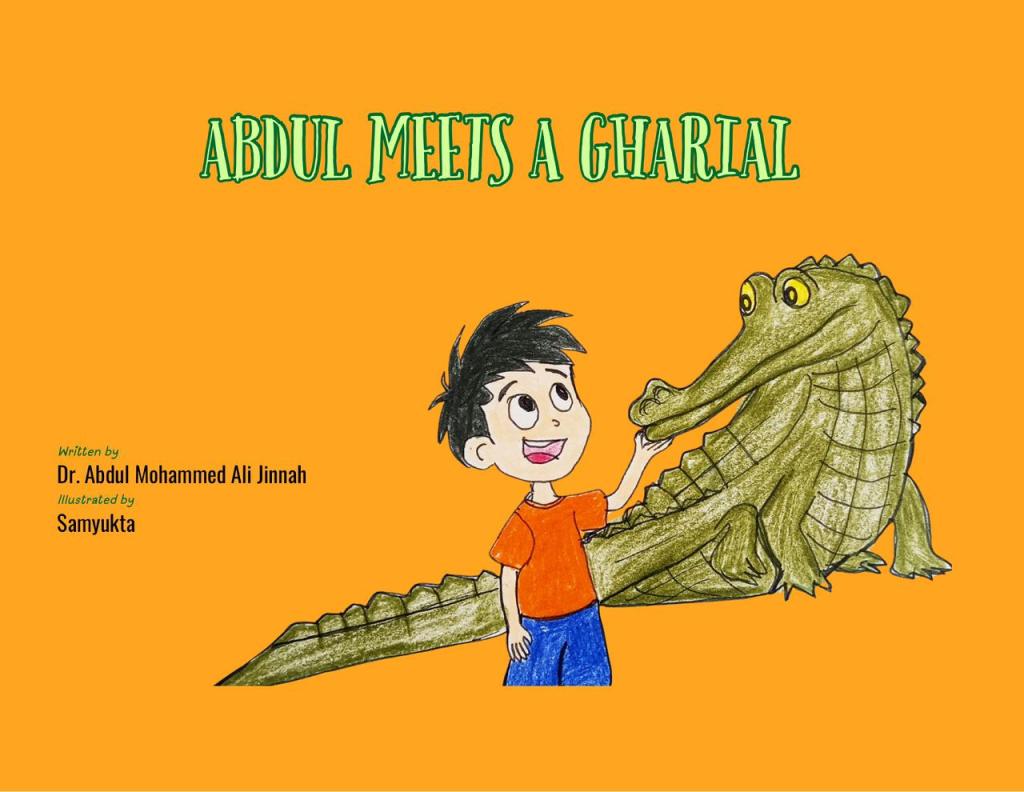
There was a deep urge to talk about ecology. There was not much that they were real books, they were stepping stones. There was this innate urge – I needed to explain how the ghariyal remained in my memory. I wanted to talk about the ghariyal and how it was going extinct. The idea was to communicate all this to children between 5-10.
One can examine these books in the context of eco theory.
Could you talk about children’s books in the ecology space?
When it comes to children’s books in the ecology space. I had read Kaziranga Trail by Shankar. This was Shankar from Children’s Book Trust. I read this in the fifth standard. It initiated me into the Indian Rhinosaurous which was being hunted for its horn. His book featured a Rhino which was being poached. That’s how I as a child got to understand how Rhinos are being hunted for their horns. I understood how animals are being cruelly killed for the material profits. I read the book 100 times, it was my go to book. It was a phenomenal book. I also read Swami and friends at that time which was written for adults but about children.
Then also read Tinkle, Amar Chitra Katha, I had met Uncle Pai also. It helped me balance away my identity as an Indian. Then there was Enid Blyton, Hardy Boys etc. I think detective fiction is needed for young adults. If we had equivalents of Three Investigators and Hardy Boys. There are a few Indian detective stories for children. There could be more focus on this area for rural and semi urban adventure.
Could you talk about the importance of reading encyclopaedias on ecology?
When I was young, one of my father’s friends Mr. Ramachandran, was collecting encyclopaedias for his unborn children. I got to read these books through his lending them to me. There were a lot of How and Why and other encyclopaedias. In these there was an animal encyclopaedia, with A to Z to animals featured. It would start with Aardvark and end with Zebra. I can recollect the names of the animals.
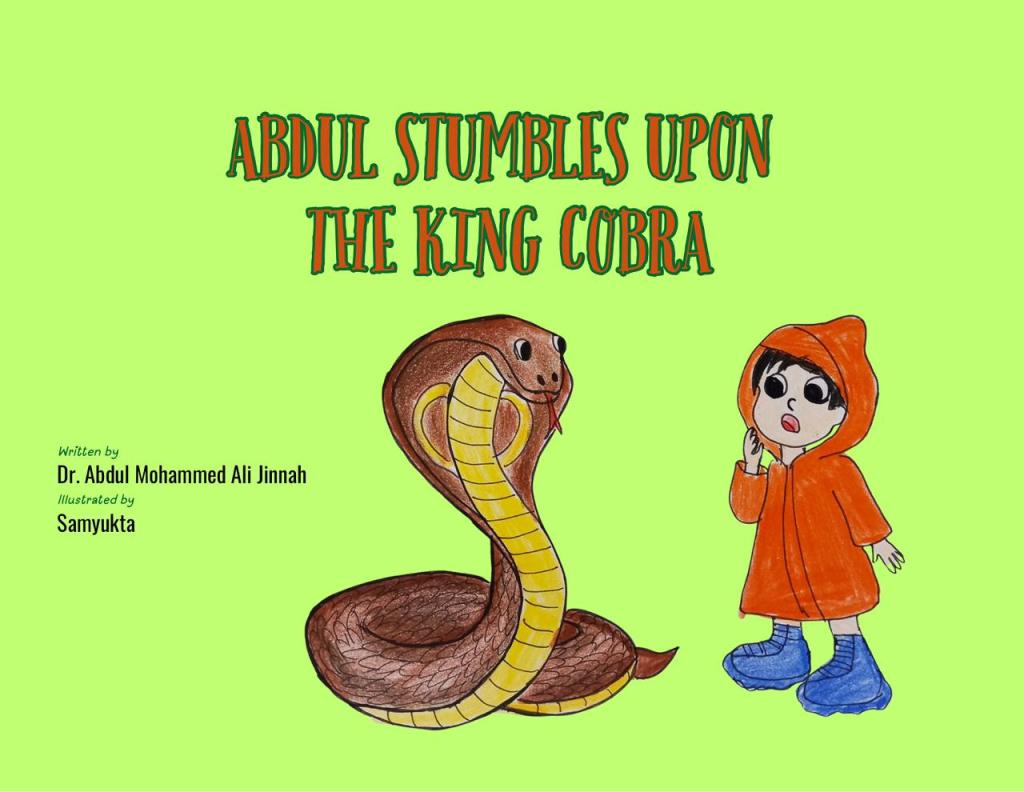
Also, Doordarshan had wildlife series. It was a series purchased from BBC by David Attenborough. Animals fascinated me. There were older ways of understanding nature such by Jim Corbett that were slightly problematic. There are certain things in Jim Corbett that needed questioning, such as when he was on a maneater hunter he would start by killing a King Cobra for good luck. The culture of hunting in the colonial times in gave rise to the English idiom “Big Game”. This idiom itself says a lot. There was no big game in UK so they would hunt foxes and then come to India to hunt the Big Game, as would the Maharajas.
Could you talk about the illustrations?
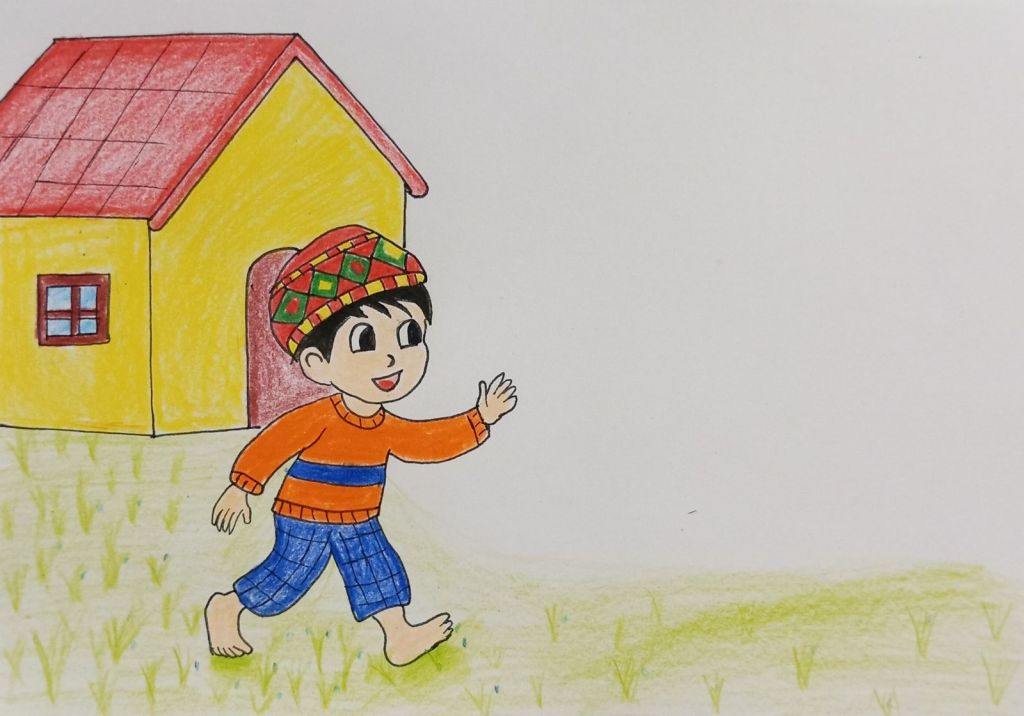
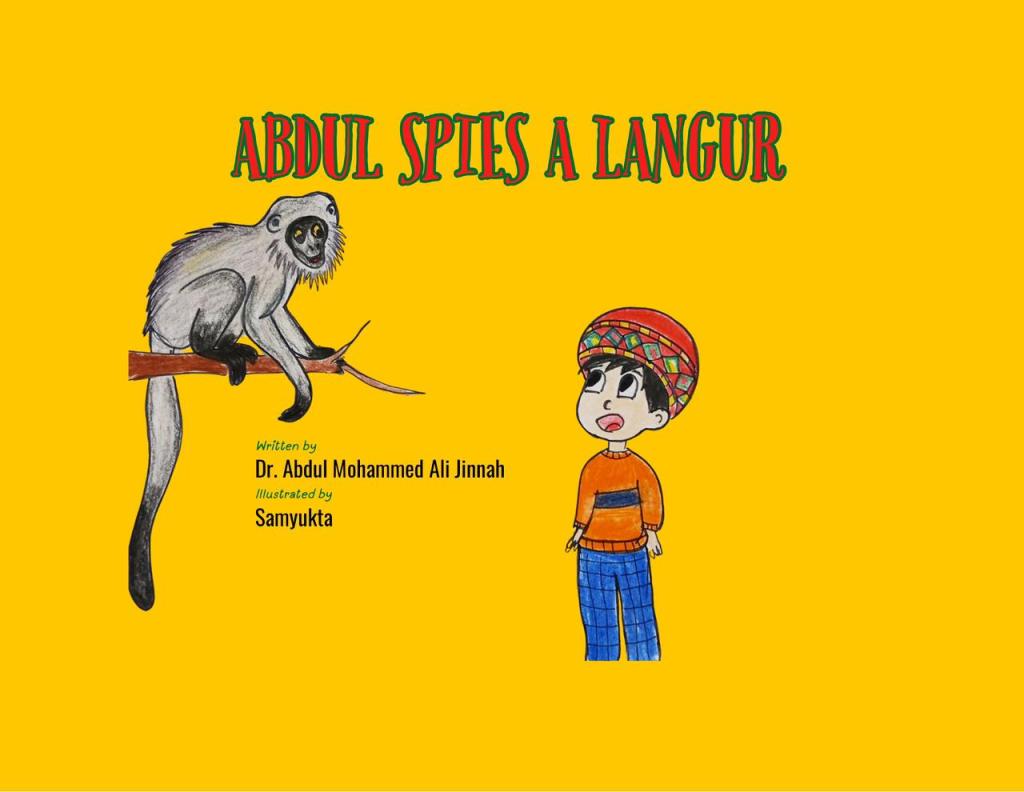
We went to Vellar College and had no idea we would meet two women who were interested in drawing and illustrating for us. We were thinking of doing the Prakriti series and needed illustrators. Samyuktha turned out some wonderful apt illustrations and we are very happy to work with her. The art work has been amazing and we had some idea with the Ghariyal book. We are really happy to have her on board. The art is really good.
Was there someone who enabled this book series?
I really have to thank Rtn. AKS Dr. K Srinivasan who is a philanthropist who funded 10 books.
Interview with Professor Dr. Abdul Mohammed Ali Jinnah
Could you talk about your background?
I am a Professor. I teach in Jamal Mohammad College in Tiruchirappalli. It is a minority institution. Here, I would share stories with my students. Dr. Priya motivated me and said this is great storytelling. She said we should put the stories on paper. I had a few stories that were not published and we evaluated these, Priya said, “you are such a good storyteller.”
How many books are you writing in the current ecology series Abdul meets Endangered Animals ?
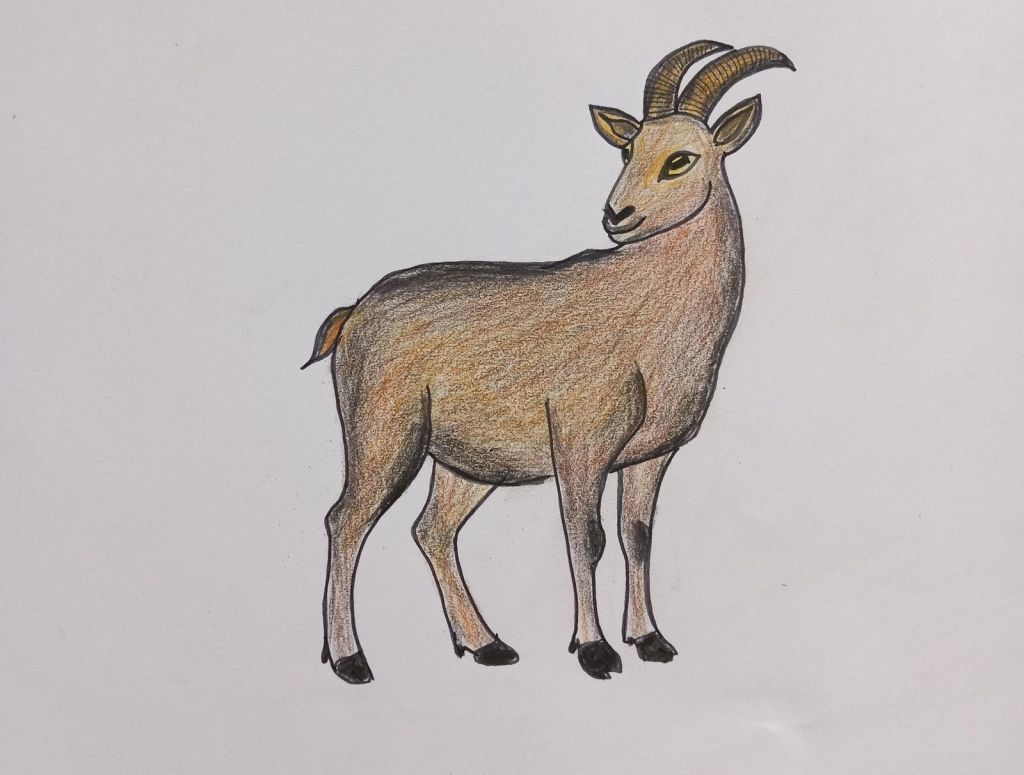
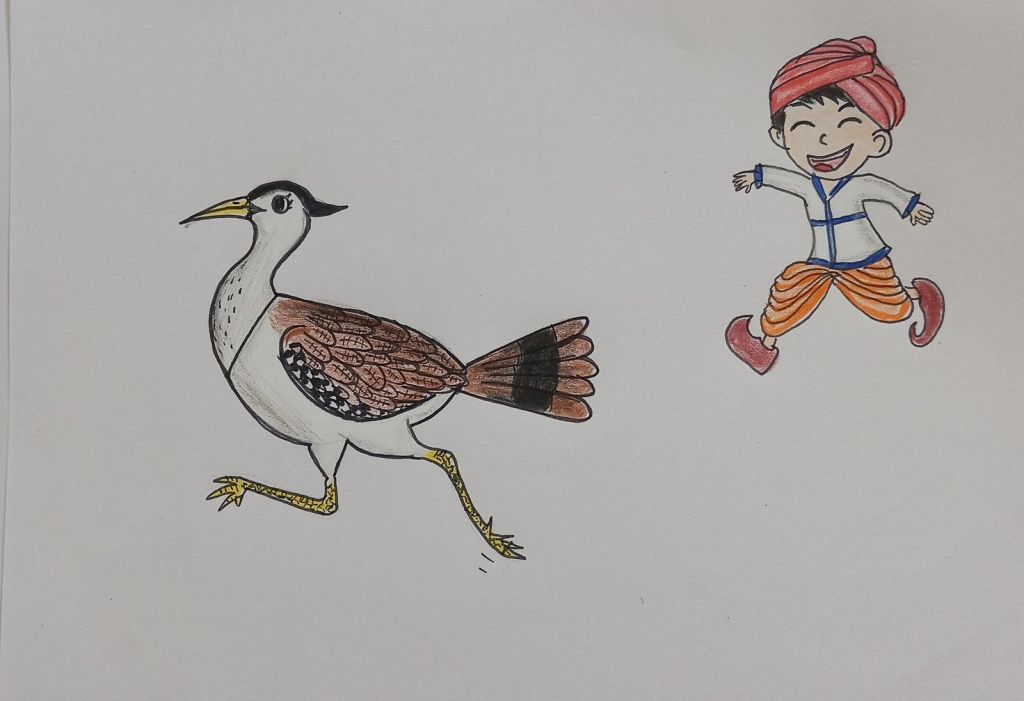
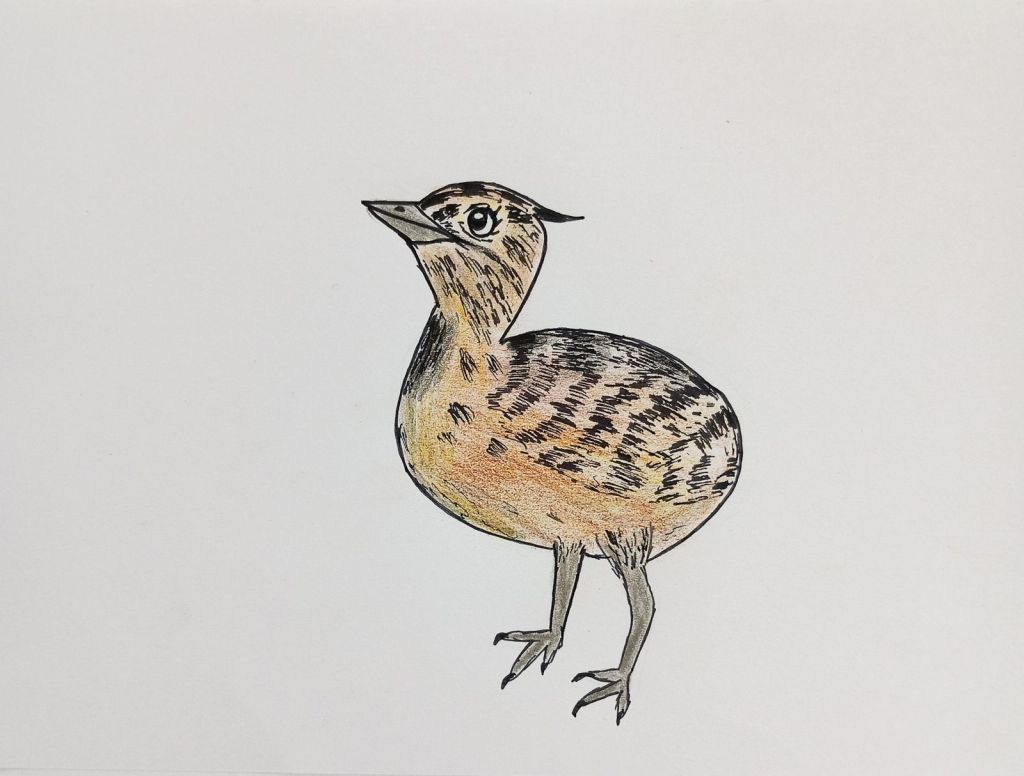
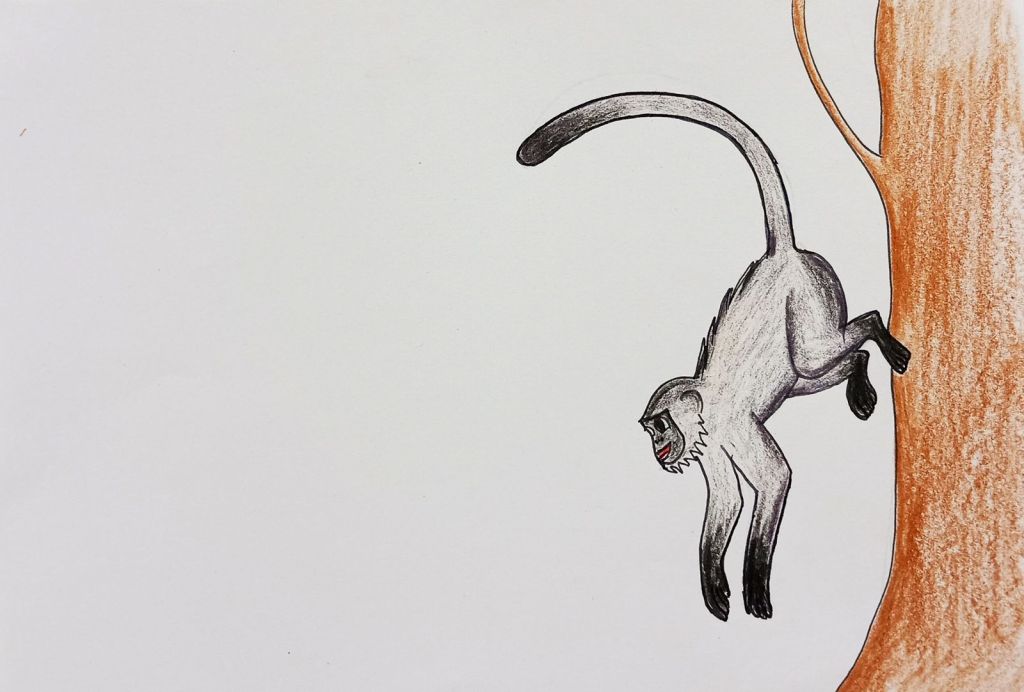
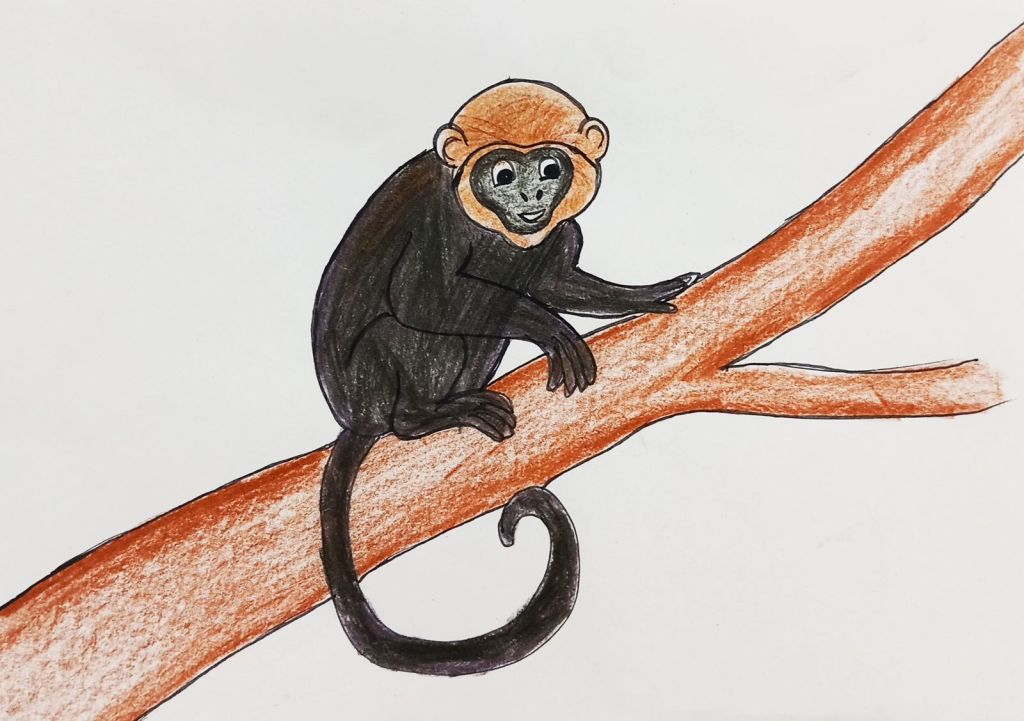
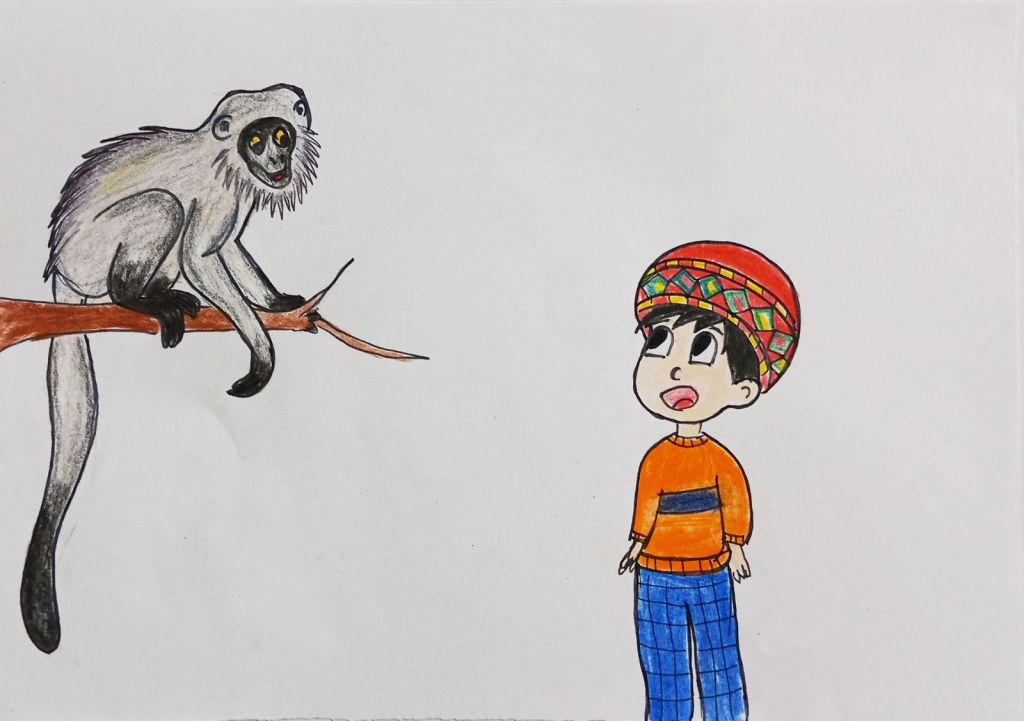
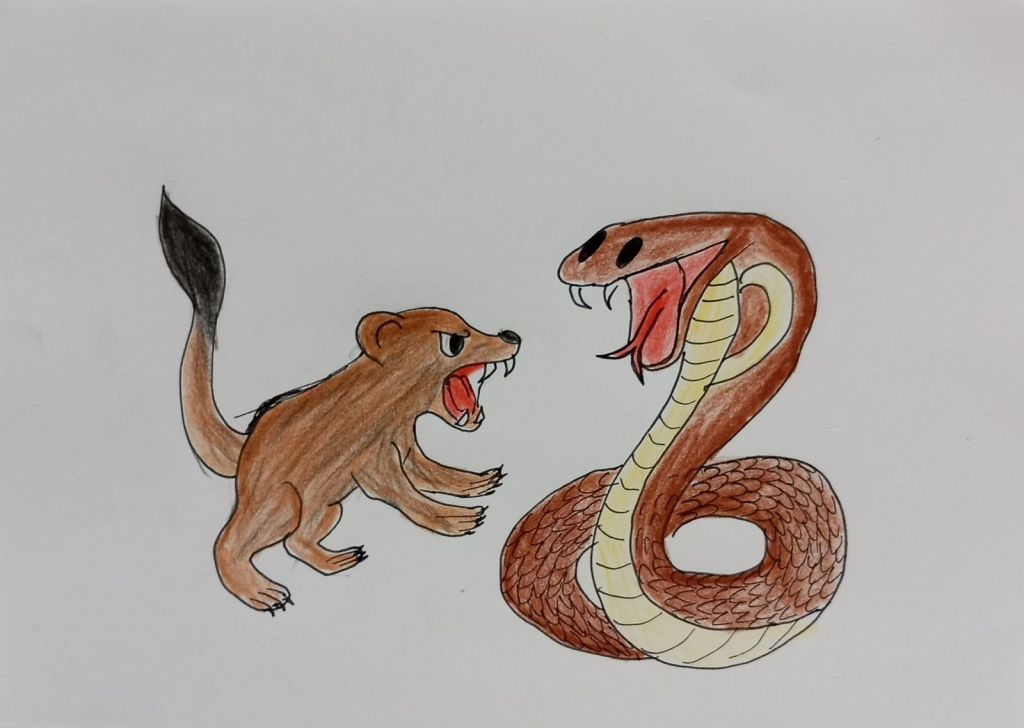
It started with five books. The idea of such a series about wildlife always prevailed with me since childhood. I wanted to work on ecology and conservation for a very long time. I thought why don’t we do a Prakriti series? To start with a book on a peacock. Then an owl. Then one day I had an epiphany – why not stories about animals that are central to the culture in India. And we started with 5 animals – the Ghariyal, King Cobra, Langur, Nilgiri Thar and the Great Indian Bustard. We have a list of 7 animals that are essential to India. Today I completed the 7th story. We are planning till a today of 30 books in this series.
Could you talk about the previous ecology series you did for children? The Ananth series?
In the Ananth series which was children’s books based on the wildlife series – African elephant, lion, leopard, Cheetah, African Buffalo etc. I was not involved in the initiation part of the production of these books. It was going to work as a full photography series. Then Dr. Priya said, ‘Why don’t write for this series?” There were photographs available and then the narrative was added. My favourite books in the series were Rhinoceros and Hippopotamus. The Giraffe was then added to the series.
Could you talk about these books creating an ecological awareness around endangered species in India and around the world?
These books aim at creating such an ecological awareness. The special animals chosen for this series are very indigenous to India. Most children of India are only aware of exotic animals like saltwater crocodiles from Australia. They don’t know about for instance the ghariyals found in the Ganges.
Could you talk about the protagonist of these stories who is Abdul the child? Could you talk about postmodernism in the hero being named after you?
When I first envisioned the ghariyal project the name was not initially chosen as Abdul. It was again Dr. Priya’s idea. She wanted the name to be from a minority voice. She said to me, ‘You are an expert when it comes to the culture of India,’ I accept that once I started writing with Abdul as the name of the protagonist the child did become a voice for me to speak with. The child shared many of my own interests with the Ganges, North India and in one of the seven books the books have a historical character whose name I will not reveal due to it being a spoiler however this is one of my personal favourite characters too.